
Spineta (line 9)
English name: Blackthorn, Thorn-hedge
Uses: Weed; hiding/burrowing place for animals
Image:

Serpyllum (line 11)
English name: Thyme
Uses: A delicious seasoning
Image:

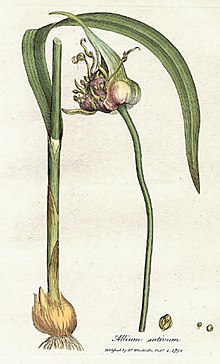
Alia (line 11)
English name: Garlic
Uses: Staple
Image:
Ligustrum (line 18)
English name: Privet
Uses: Privacy hedging
Image:

Vaccinia (line 18, 50)
English name: Whortleberry, European blueberry, Bilberry
Uses: Produces an edible dark fruit somewhat like the American blueberry
Image:

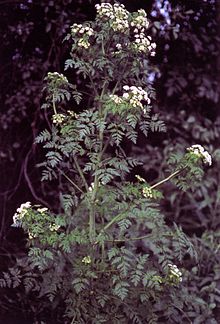
Cicutis (line 36)
English name: Hemlock
Uses: Famed poison
Image:
Lilia (line 45)
English name: Lily
Uses: A pleasing garden flower.
Image:

Violas (line 47)
English name: Violet
Uses: Another garden flower
Image:

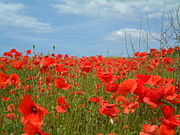
Papavera (line 47)
English name: Poppy
Uses: A wildflower which naturally contains morphine
Image:
Narcissum (line 48)
English name: Narcissus flower
Uses: A late-blooming garden flower
Image:

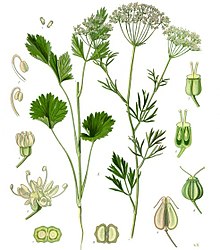
Anethi (line 48)
English name: Dill or Anise
Uses: Produces strong seasonings
Image:
Casia (line 49)
English name: Cinnamon
Uses: Produces a pungent bark
Image:

Calta (line 50)
English name: Marigold
Uses: A garden flower with edible florets, sometimes used for fabric dyes, medicines, and cosmetics
Image:

Lauri (line 54)
English name: Laurel tree, Sweet bay
Uses: Sacred to Apollo
Image:

Myrte (line 54)
English name: Myrtle
Uses: Sacred to Venus (some medicinal uses)
Image:


No comments:
Post a Comment